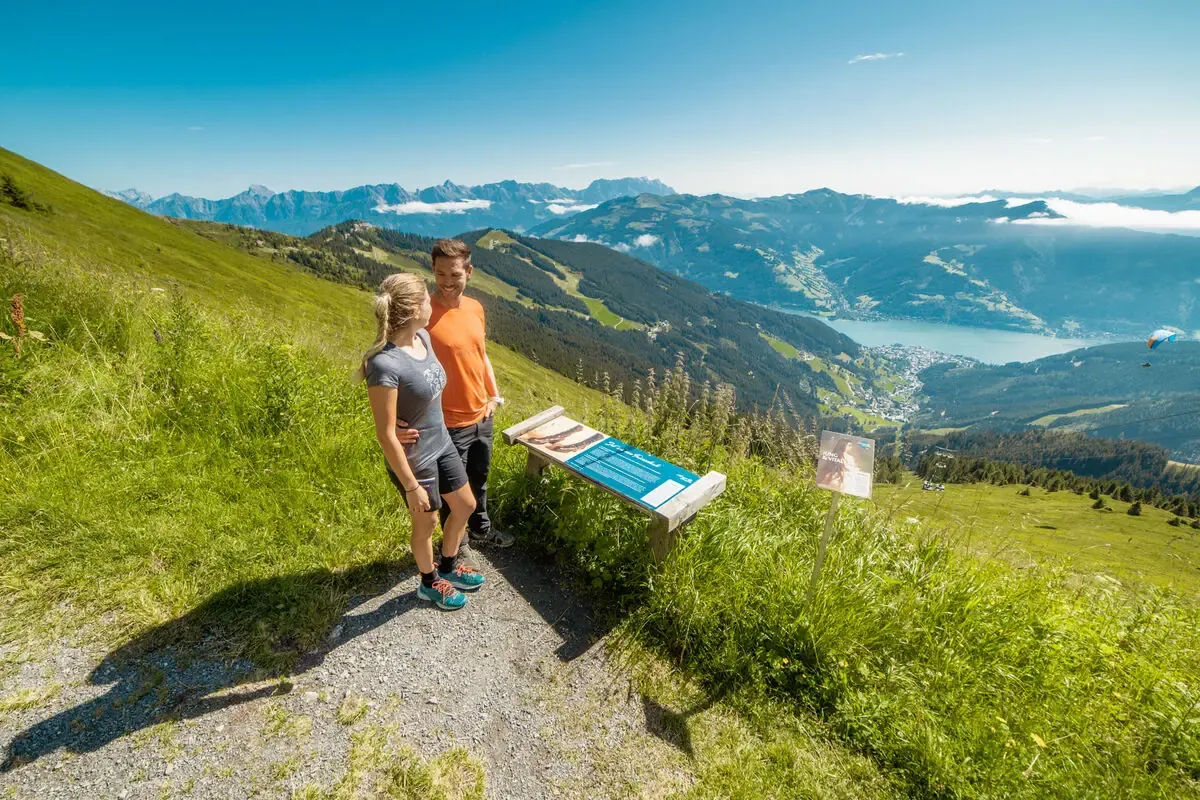
A spacious family chalet in Piesendorf near Zell am See, slopes, mountains, lifts and village life on the doorstep, and the whole valley to come home to after the last run.
A spacious family chalet in Piesendorf near Zell am See, slopes, mountains, lifts and village life on the doorstep, and the whole valley to come home to after the last run.

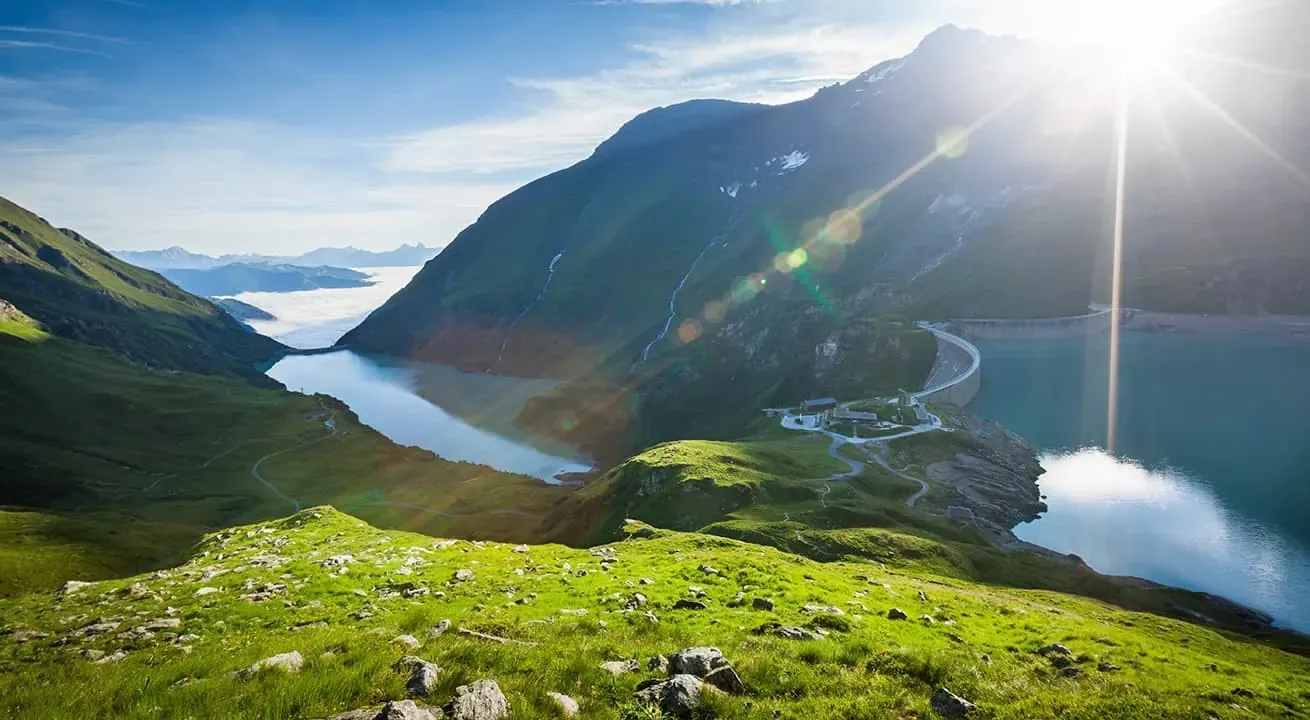
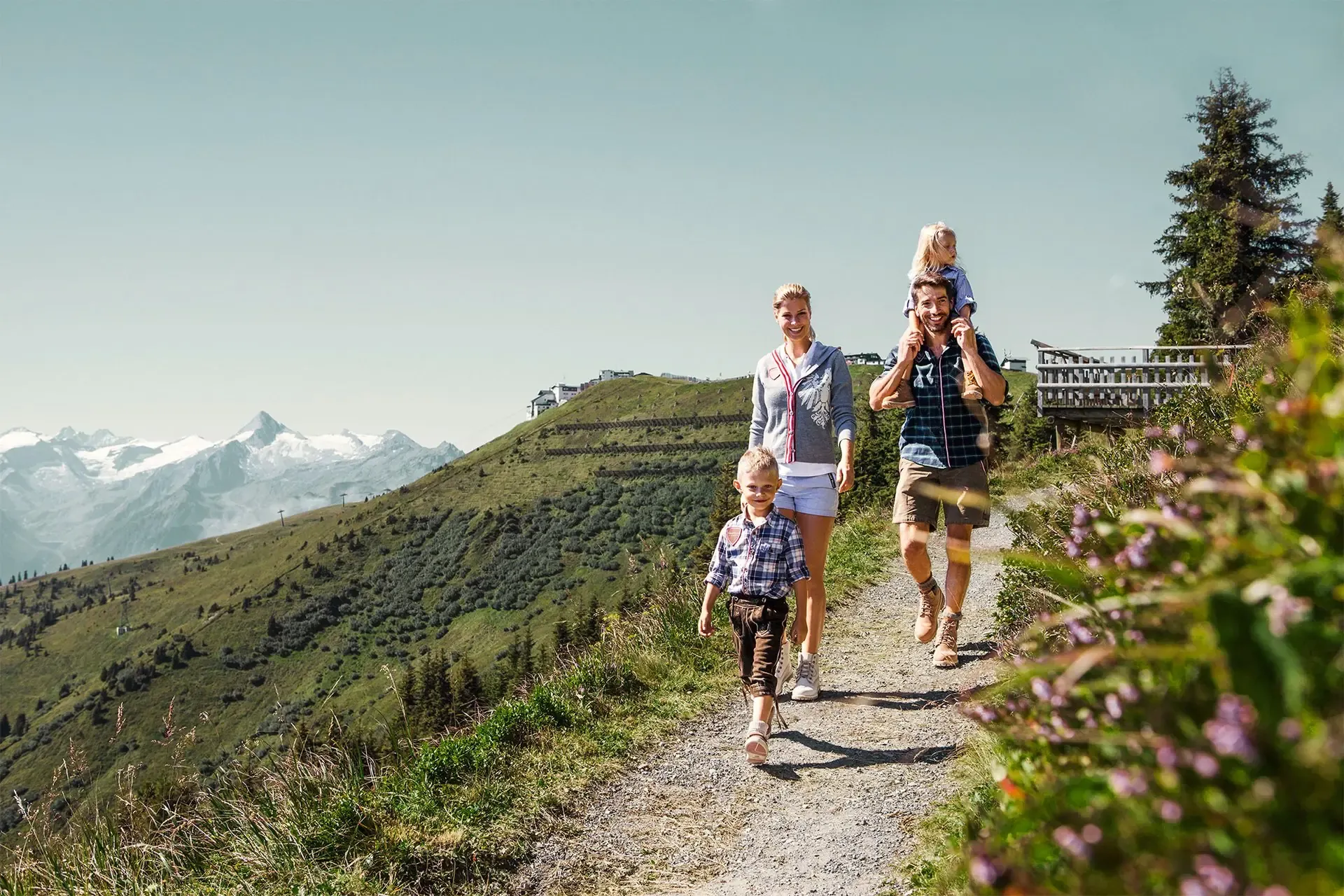
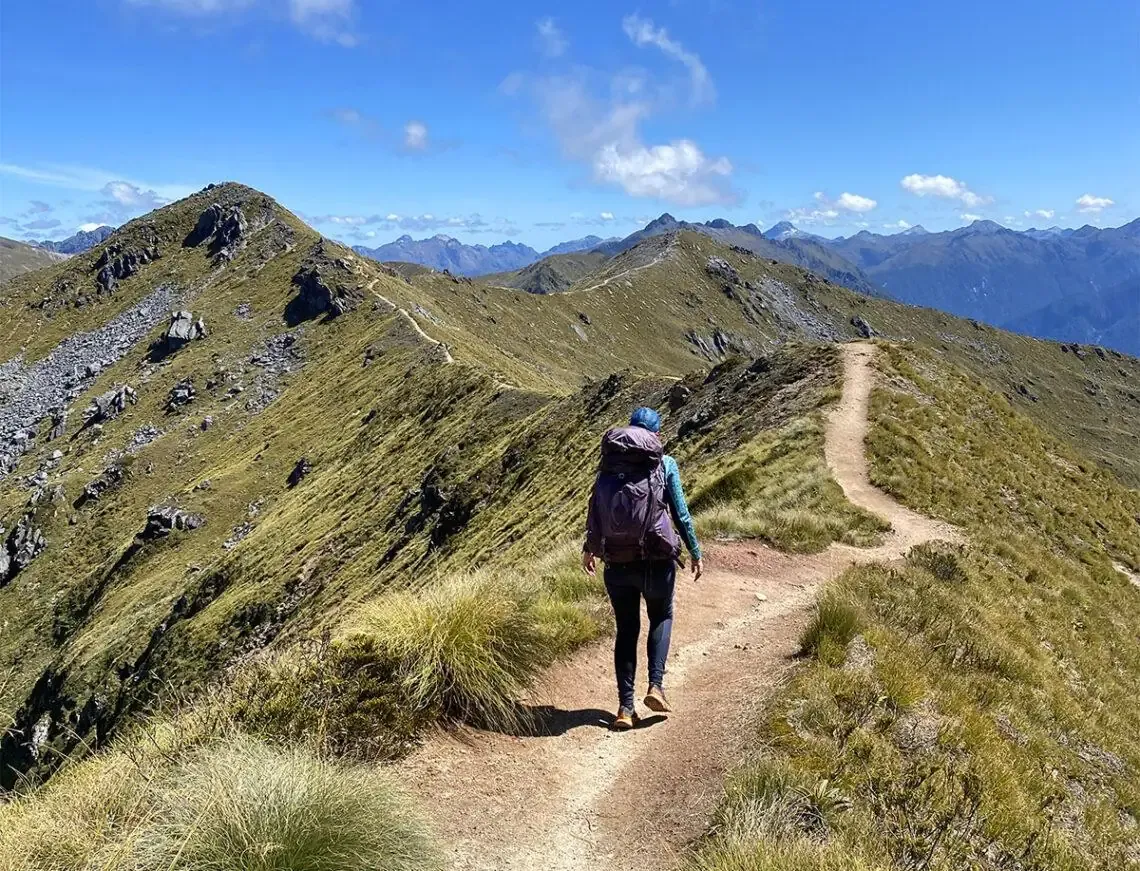
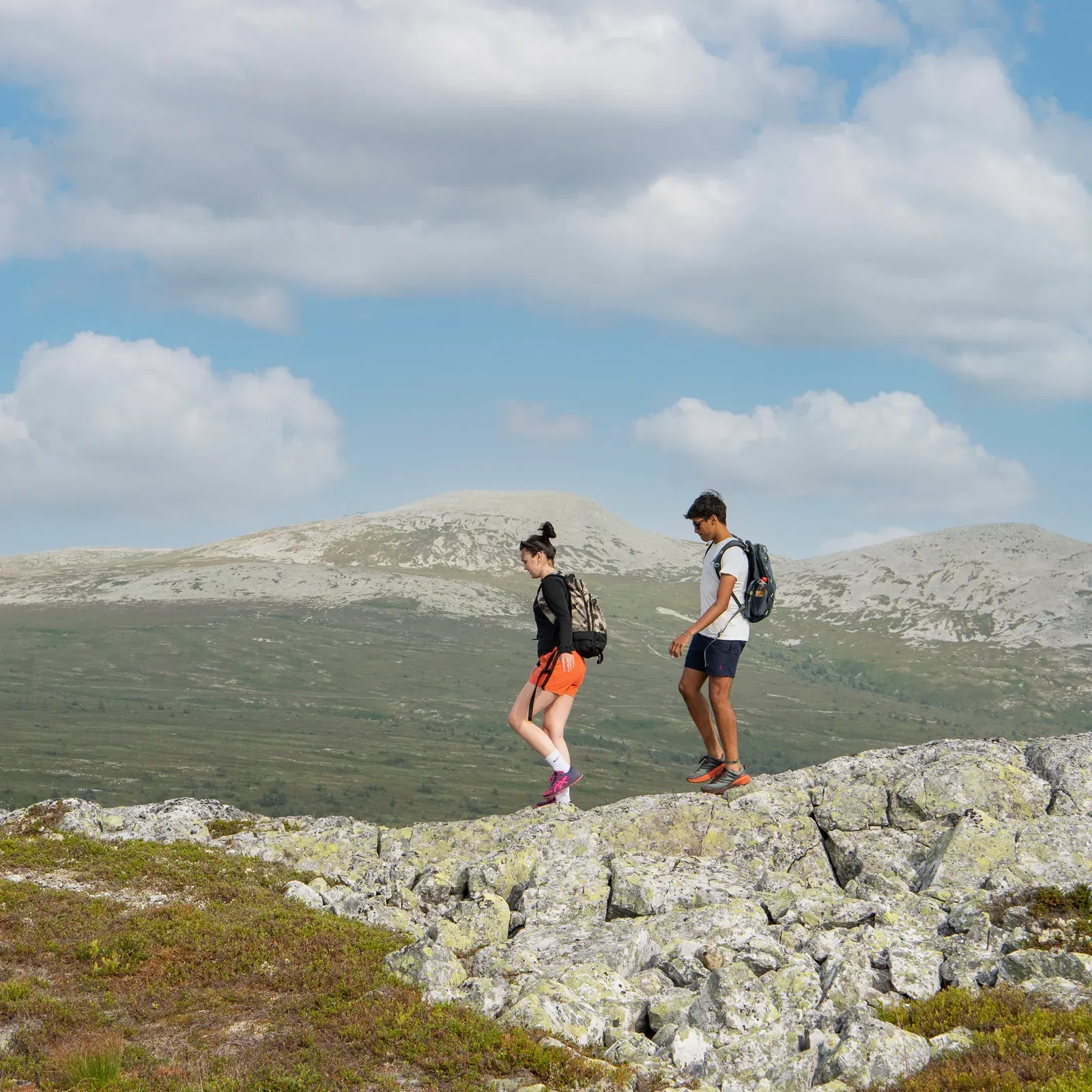
The walking here sorts itself into three levels: the valley floor at around 750 m, the alpine pastures and ridges between 1,500 and 2,000 m, and the glacier terrain above that. You can pick your day by how much height you feel like gaining — or by how much of it you would rather a cable car took care of.
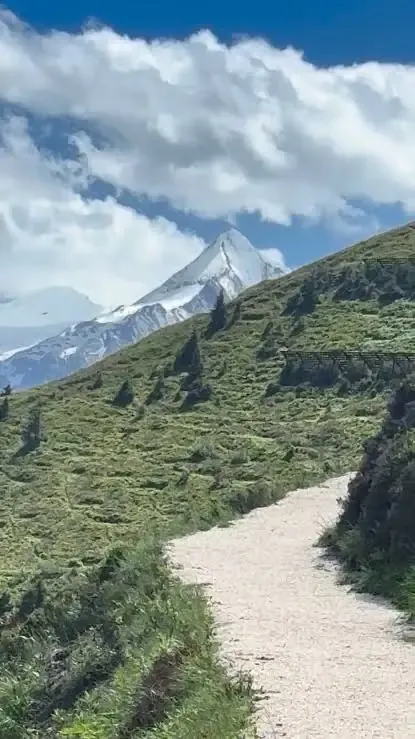
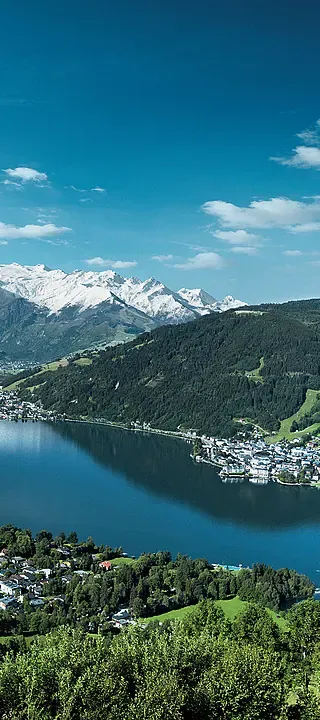
Valley and gorge walks open up from around May, once the snowmelt has passed. The high trails come good later — most years the ridges and hut paths are clear from late June through early October, and the glacier terrain above 2,500 m stays snow-covered in patches all summer. Late September is the quiet sweet spot: stable weather, the crowds gone, and the larches turning.
Three cable cars run through the summer and change what is possible in a day: the Schmittenhöhe above Zell am See, the Maiskogel at Kaprun, and the Kitzsteinhorn glacier lift beyond it. Riding up and walking down turns a punishing 1,200 m ascent into a comfortable afternoon, and it is what most people here actually do rather than starting from the car park.
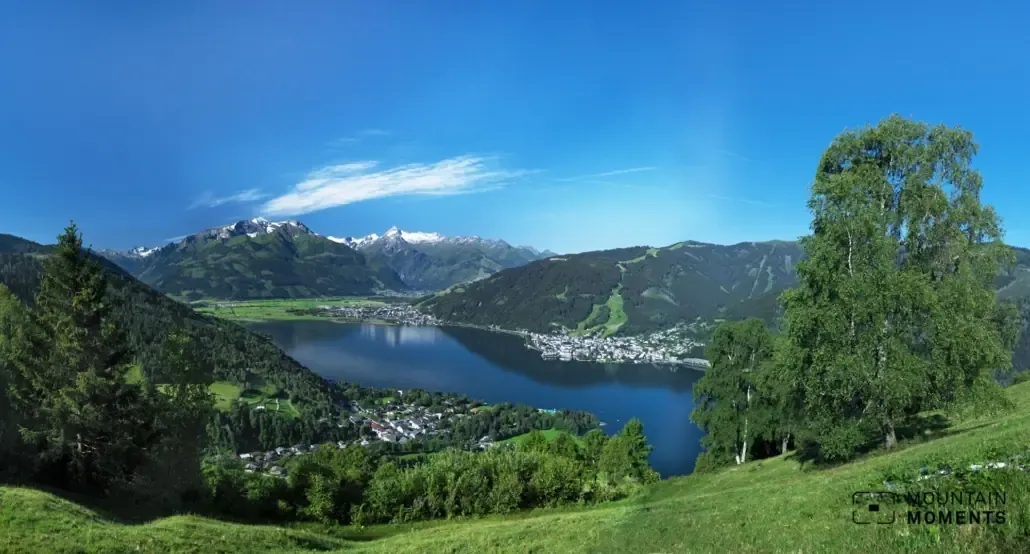
Most of the best ridge walking starts at the top of a lift, not at the bottom of a climb.



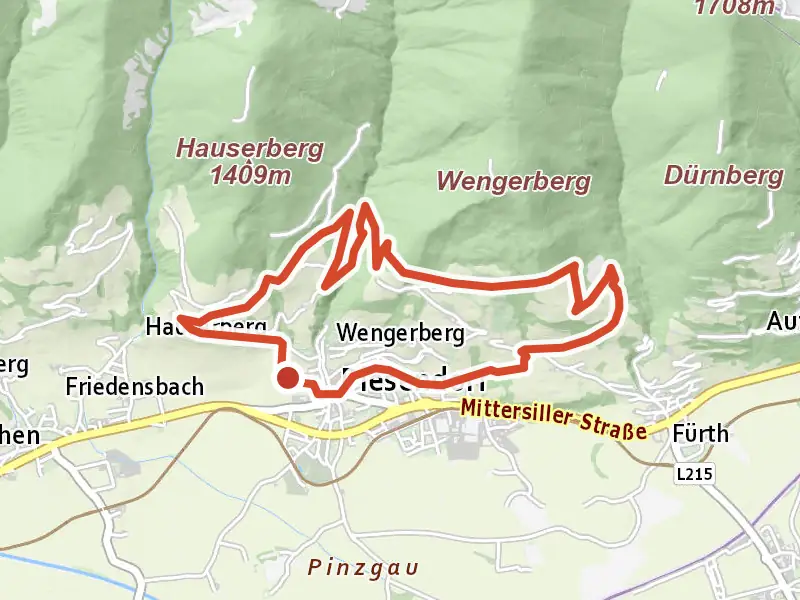

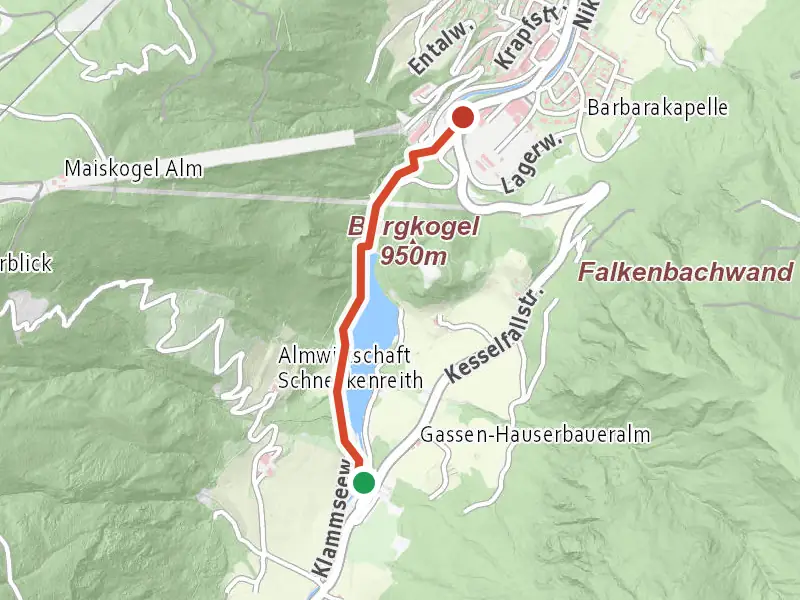

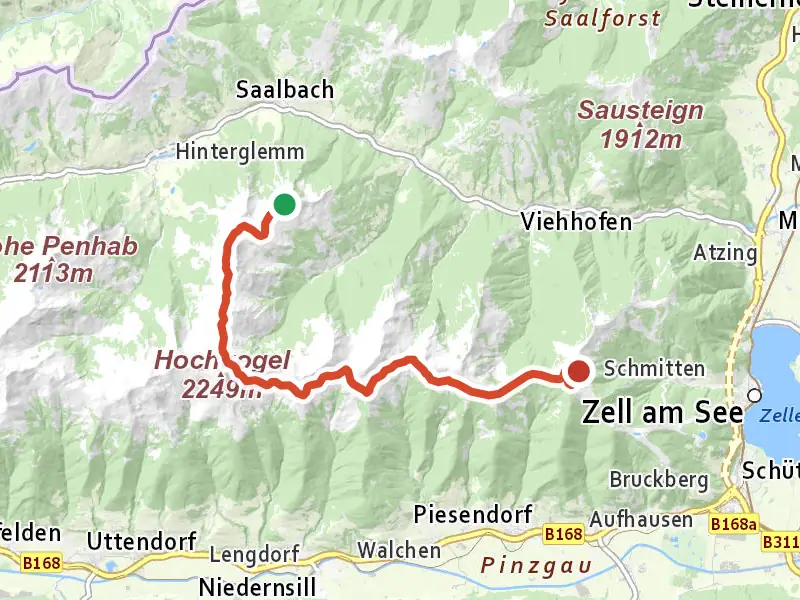

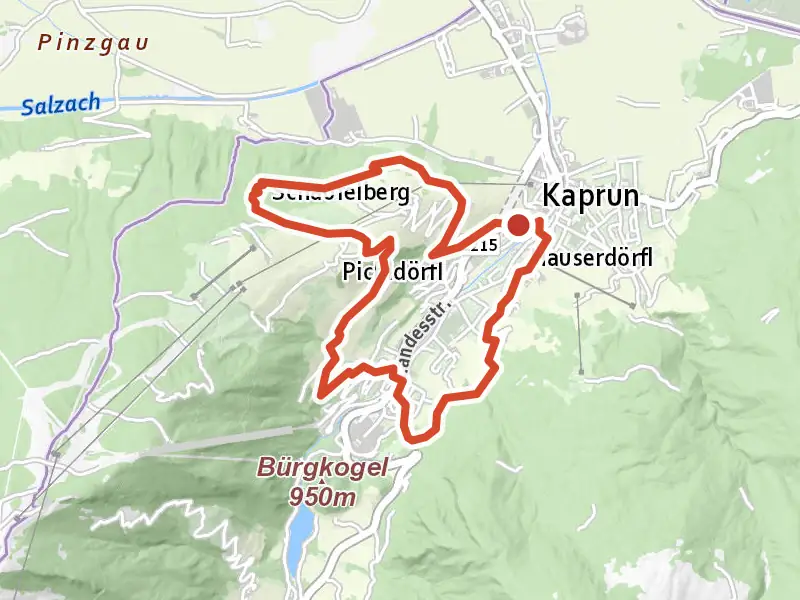

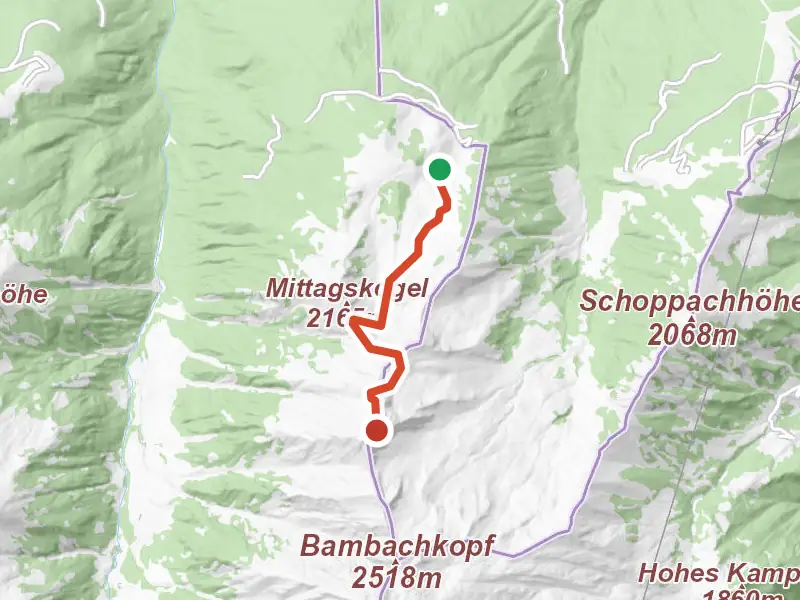

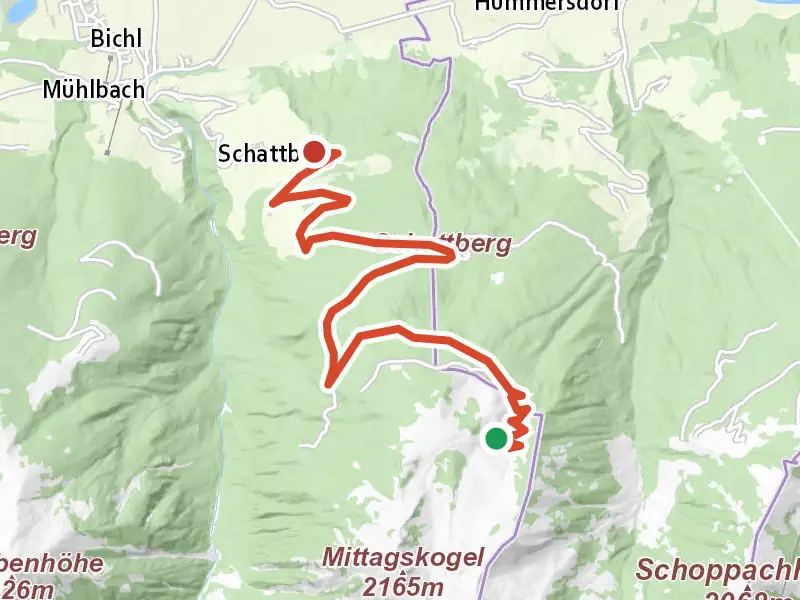

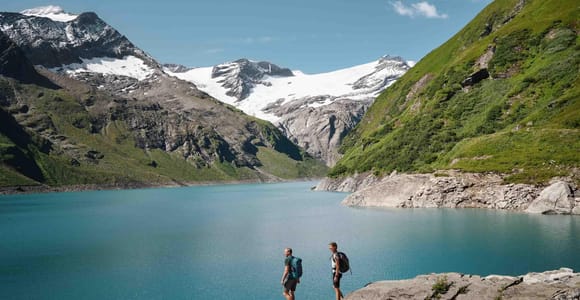
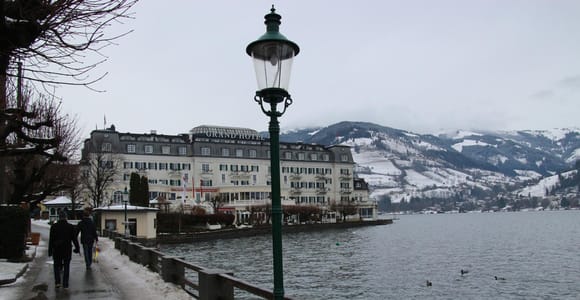
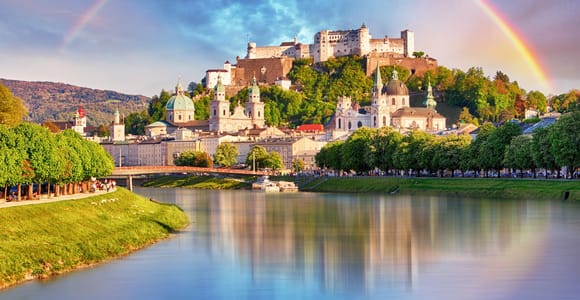
Valley paths are walkable from spring through autumn. The mountain trails depend on snow: most are clear from late June to early October, with the highest routes opening last and closing first. Always check the current condition of a route before committing to it — a path that is open in August can be under fresh snow in early October.
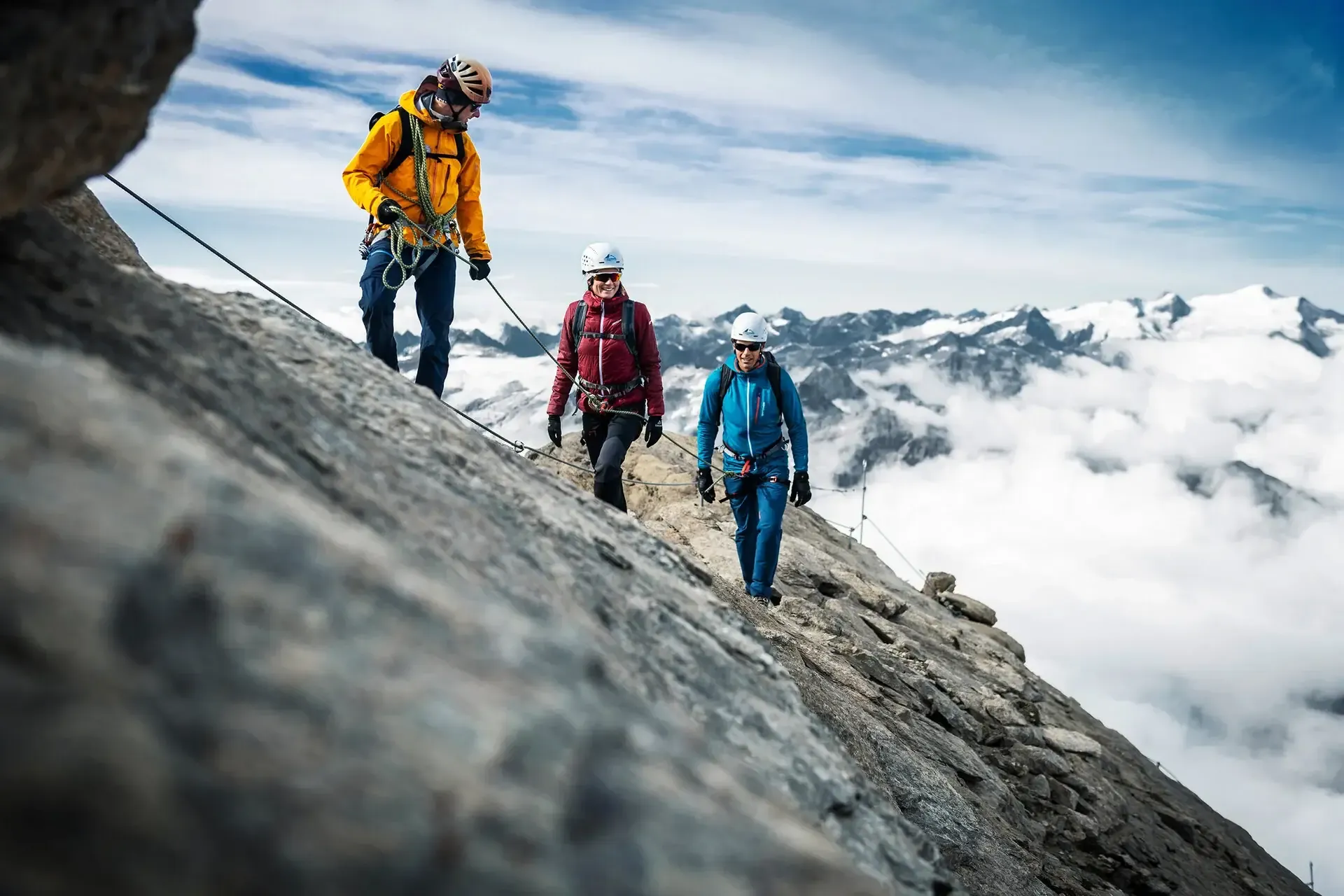
Austria uses yellow signposts at junctions, giving the destination and a walking time rather than a distance. Mountain paths carry red-white-red paint blazes on rocks and trees. Difficulty runs blue (easy), red (moderate, sure-footedness needed) and black (demanding, exposed sections). The signed times assume a steady pace with no long stops.
Yes, and it is the most popular way to walk here. The Schmittenhöhe cable car at Zell am See, the Maiskogel at Kaprun and the Kitzsteinhorn glacier lift all run through the summer season. Check the operator for current opening dates and the last downhill ride of the day before you plan around one.
Plenty — most of the ridge and pasture routes pass a hut serving food, and several take overnight guests. Opening runs roughly from the start of the summer season to late September, but every hut sets its own dates and many close one day a week, so confirm directly before relying on one for lunch or a bed.
Boots with ankle support and grip for anything above the valley floor, layers for a temperature drop of ten degrees or more between the car park and the ridge, sun protection, and more water than feels necessary. Mountain weather turns quickly, so pack a shell even on a clear morning, and carry insurance that covers mountain rescue.
The Austrian weather service (GeoSphere Austria) covers the region in detail, and the lift operators publish daily status for their own trails and cable cars. Signs, barriers and closures on the ground always override anything you have read in advance, including here.


A ten-person chalet in Piesendorf, in the middle of everything on this page.